



|
|
|
|
by Editor Lourens Durand
Edited and published by Yvette Depaepe, the 17th of July 2026
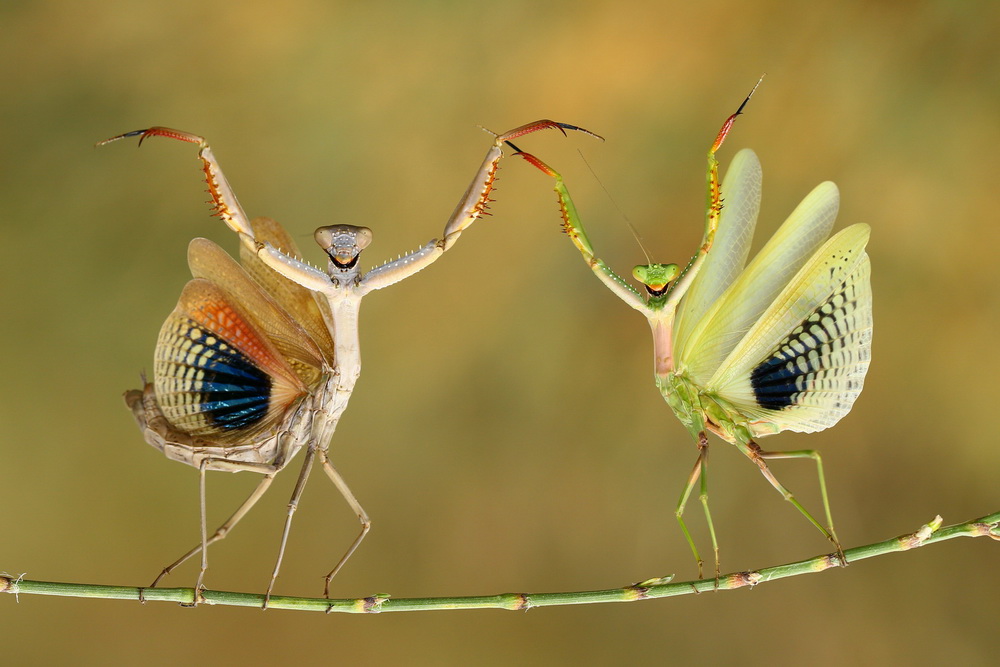
“Show Time’ by Hasan Baglar
One could argue whether an interest in nature engenders an interest in macro photography, or vice versa.
Either way, it provides a fascinating insight into both.
Macro photography in the insect world requires an understanding of not only the equipment and techniques used, but also of where and when to find your subjects. There are very few lucky shots! Most successful photographs are the result of a careful assessment of camera settings, necessary equipment, lighting setups, and post-processing.
Then there is the question of ethics. Nowadays, it is widely accepted that you should shoot your subject in situ. There is no longer any justification for catching a butterfly and putting it in the refrigerator, rendering it immobile for a few minutes, or freezing it to death. Of course, all insects die a natural death, whether by the hands of a flying assassin or a sniffing one, but the consensus is to let nature take its course. If an insect has died naturally, it is OK to use it as a macro subject!
Nevertheless, the live opportunities are manifold and better in the cooler mornings and evenings when insects are more sluggish.
The quality of the equipment is crucial. It can make or break a great photo. This applies to photos of nature subjects. It also applies to photos of other small things taken in a studio.
Although mobile phone technology has advanced to the point where it can successfully perform macro photography, it is clear that conventional cameras with their larger sensors and plethora of settings, together with macro lenses and their advanced optical properties, are superior.
The settings required for excellent macro photography would fall within the following ranges:
o Iso: as low as possible without generating excessive noise – max 1600 in handheld situations, but 120 would be OK with a tripod
o Shutter speed needs to be at 1/120 second if handheld. With a tripod, a slower shutter speed is possible provided the subject is static
o F-stop of 1/11 or 1/16 is generally used.
o Ideally, the subject should be sharply in focus, with the background blurred.
To achieve front-to-back sharpness in larger specimens, photo stacking is used – a process involving taking a number of shots focused at different distances from the camera, from closest to farthest, typically at an f-stop of around 1/5.6. This can be achieved by using a set of movable bellows between the camera and lens, or by using a focusing rail, and then blending the photos using software such as Zerene Stacker or Helicon Focus.
Although many newer cameras have built-in focus stacking capabilities, you will still need stacker software.
As is often the case in photography, lighting is of prime importance. This applies to both quantity and quality. Natural light is ideal, but it often creates shadows in the wrong places. This can be overcome by using an on-camera flash, but this can cause glare and uneven lighting. This can easily be overcome by adding a diffuser to the flash unit. The one I use is a mini 16 x 16 cm soft box that is fixed to the flash unit with elastics.
In conclusion, as with any other photographic endeavour, mistakes will be made and lessons will be learned along the way. The four key things to remember on your journey are Patience, Persistence, Precision and Preparation.
Here are some stunning macro photographs from the 1x archives.
Happy shooting!
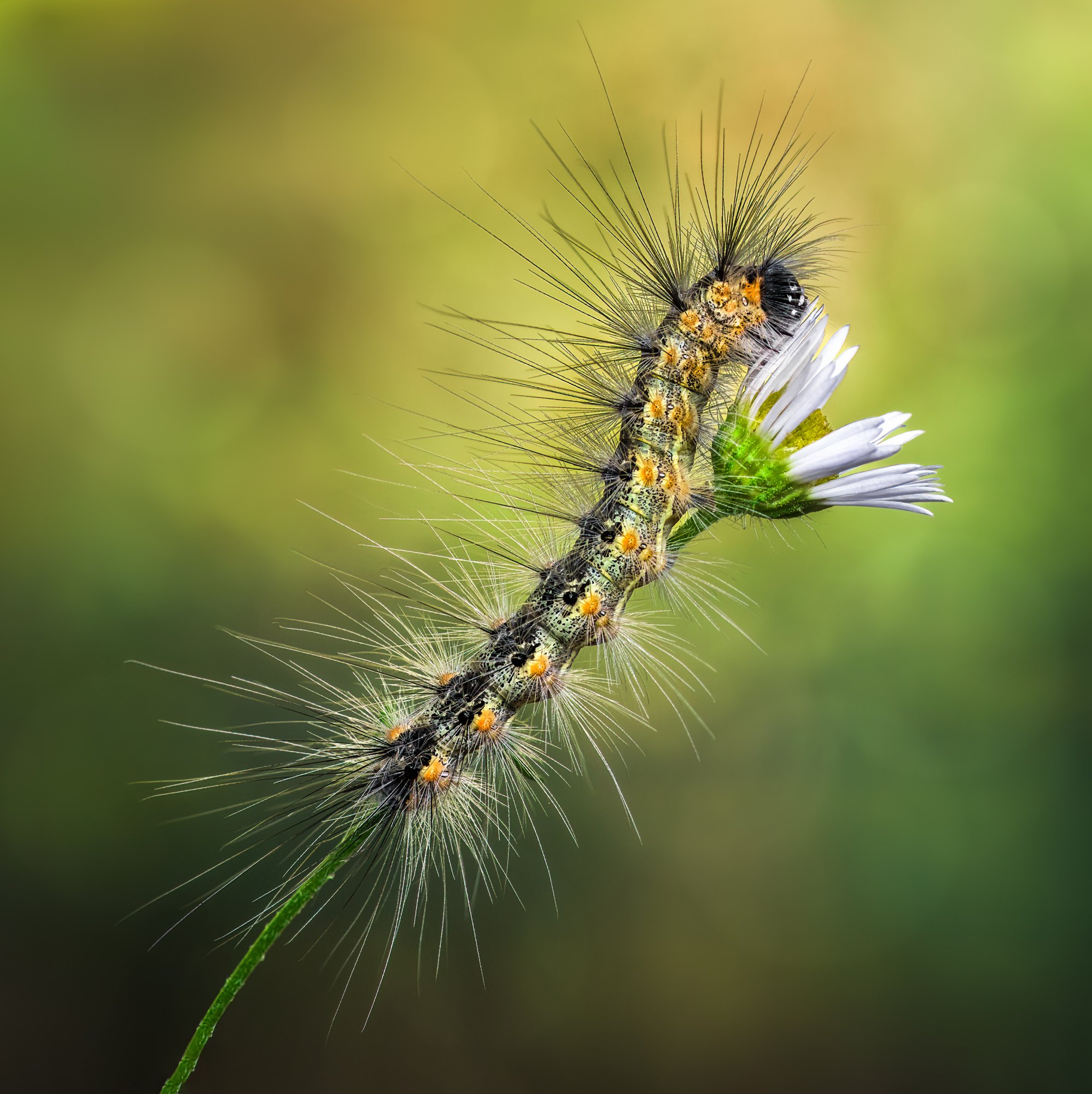
"The smell of you" by Atul Saluja
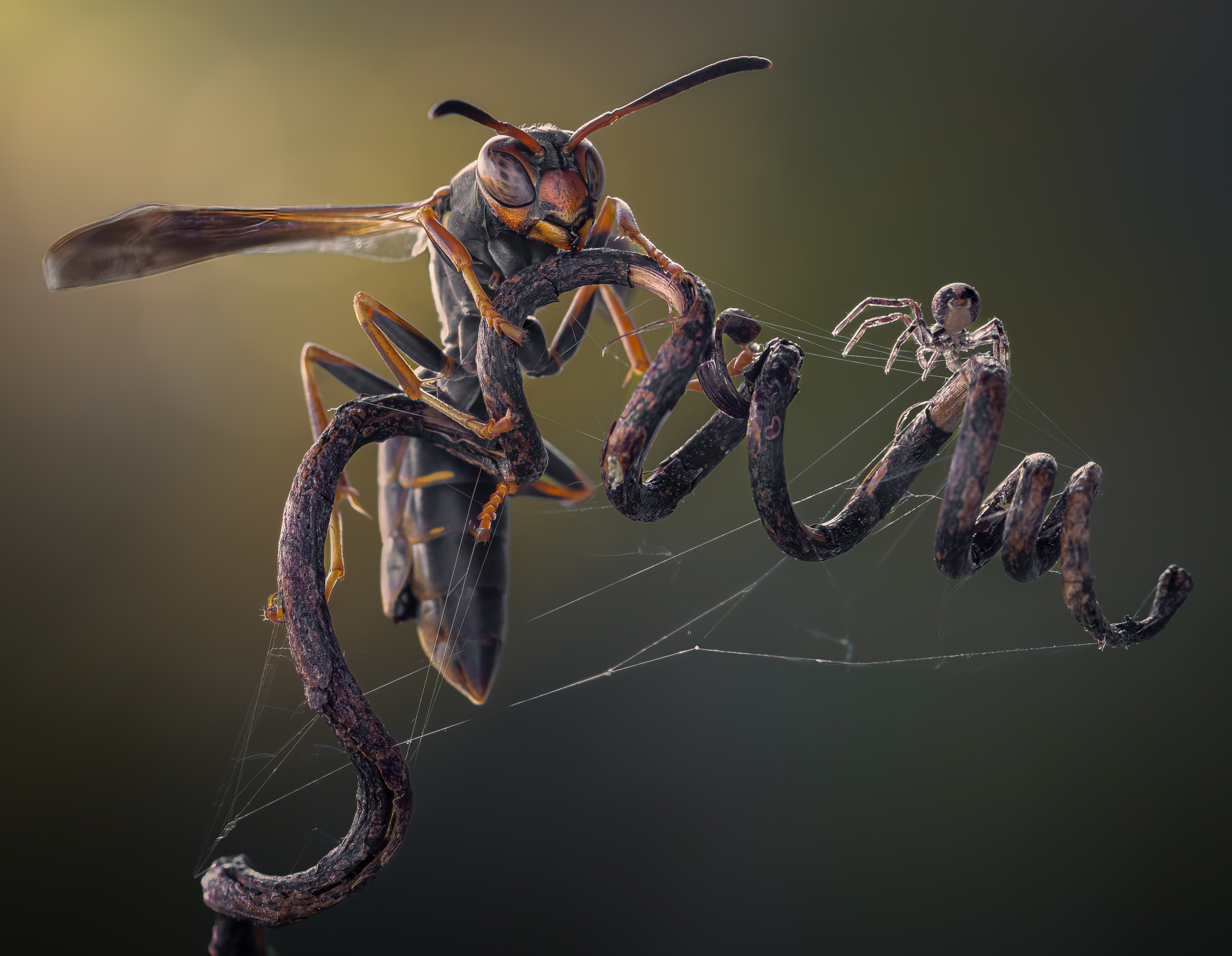
“The Duel on the Vine’ by Atul Saluja
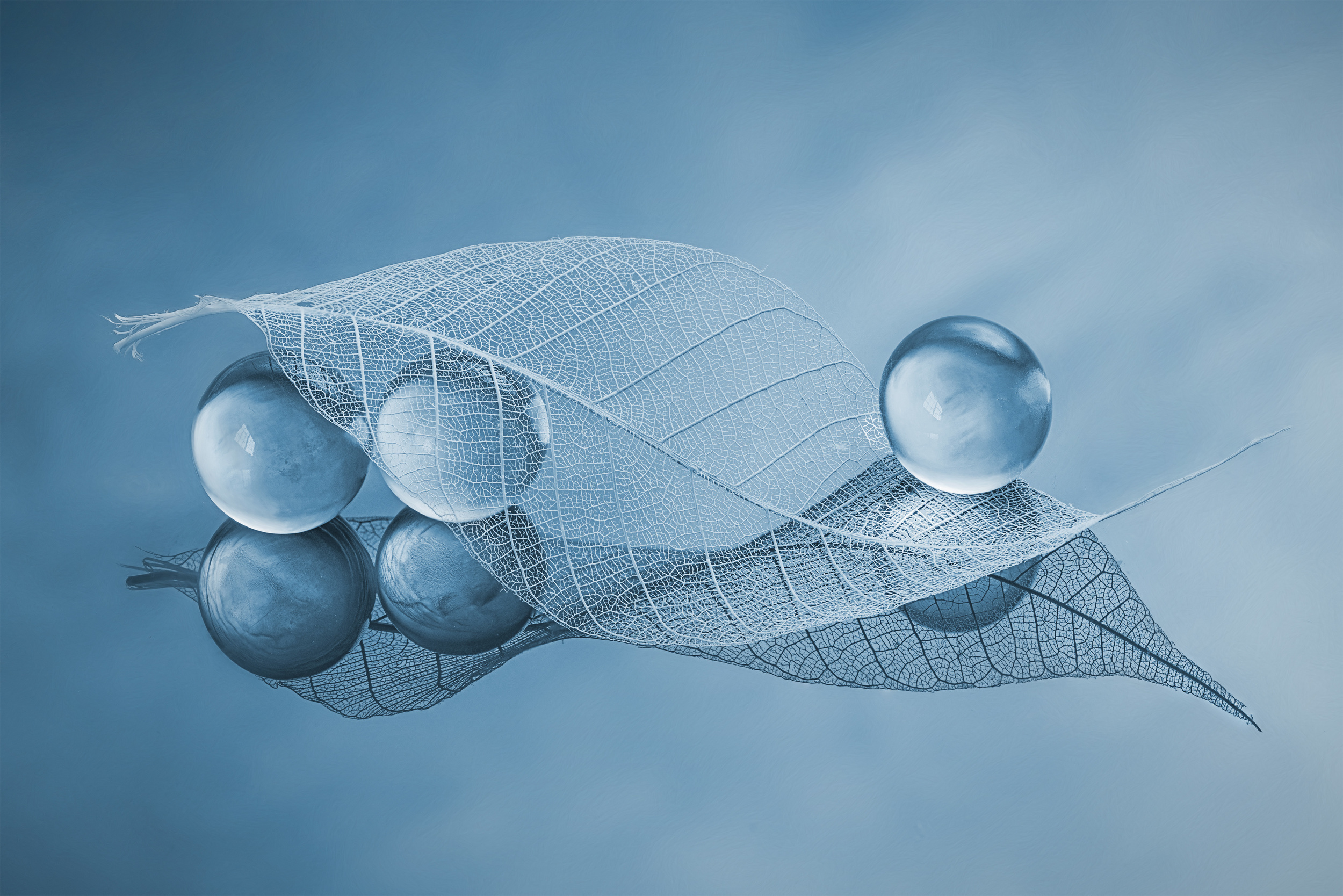
‘Dry leaf and Bubbles’ by Lydia Jacobs
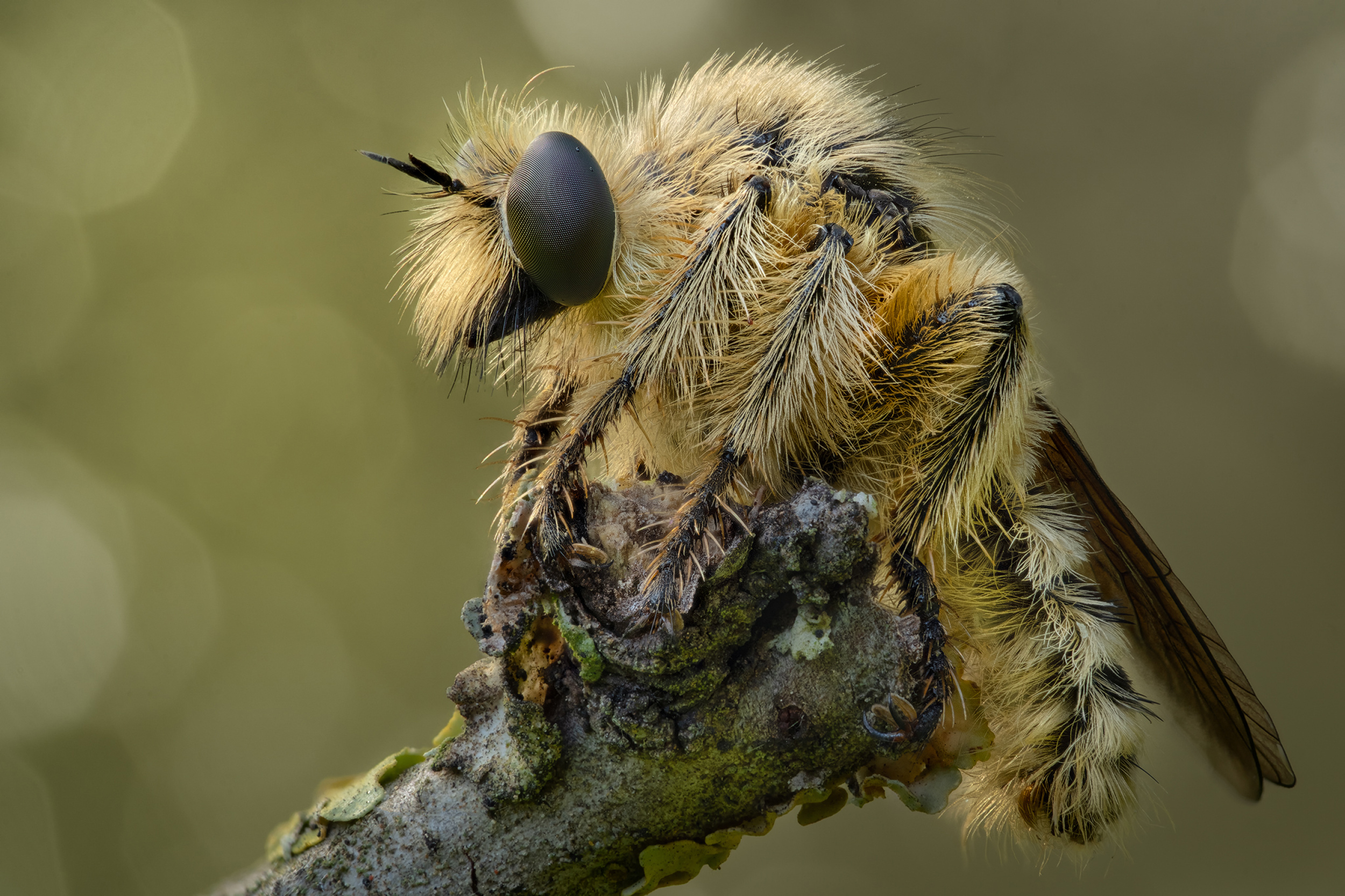
“Robber Fly” by Miron Karlinsky
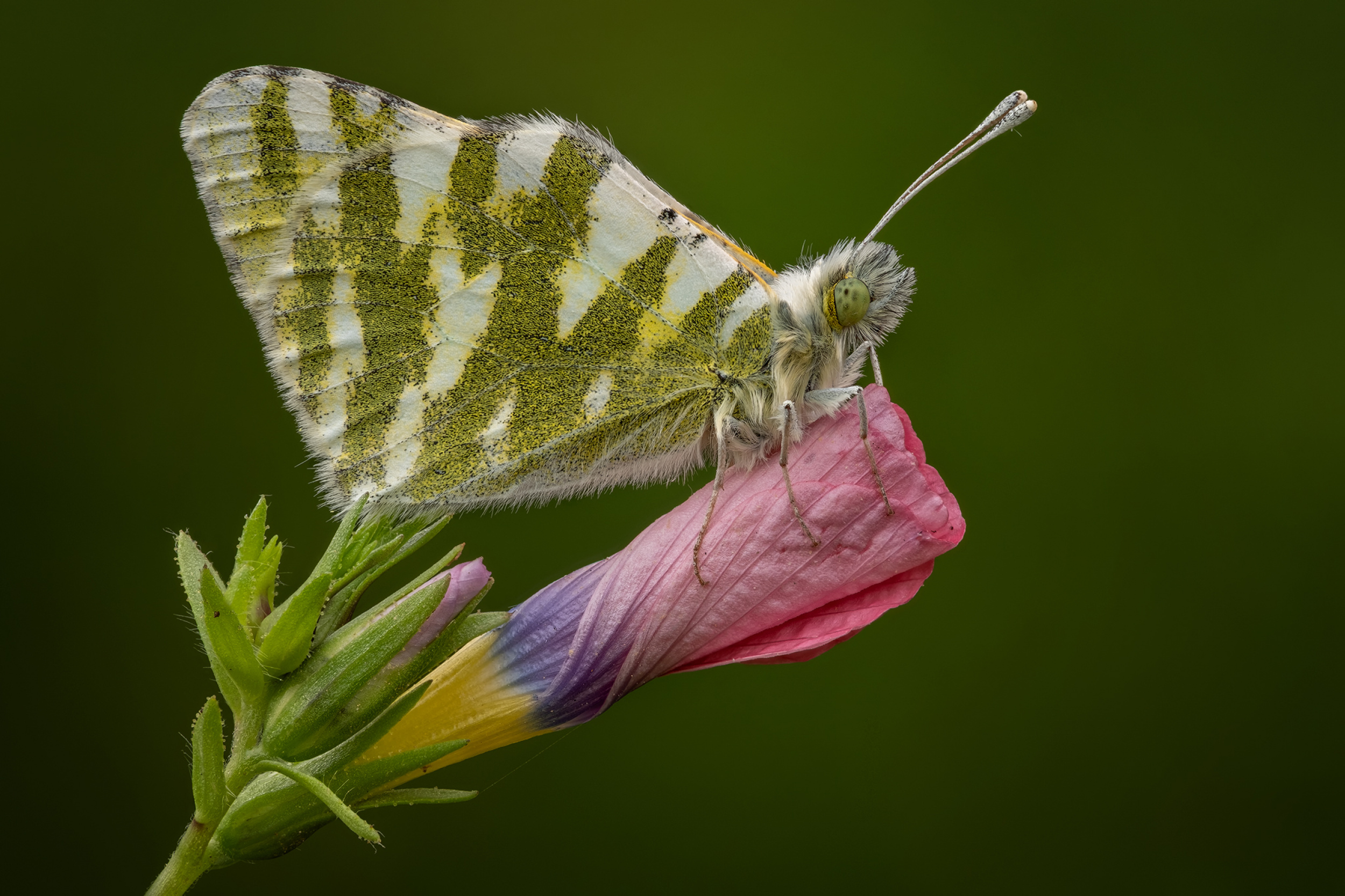
“Euchloe belemia” by Miron Karlinsky
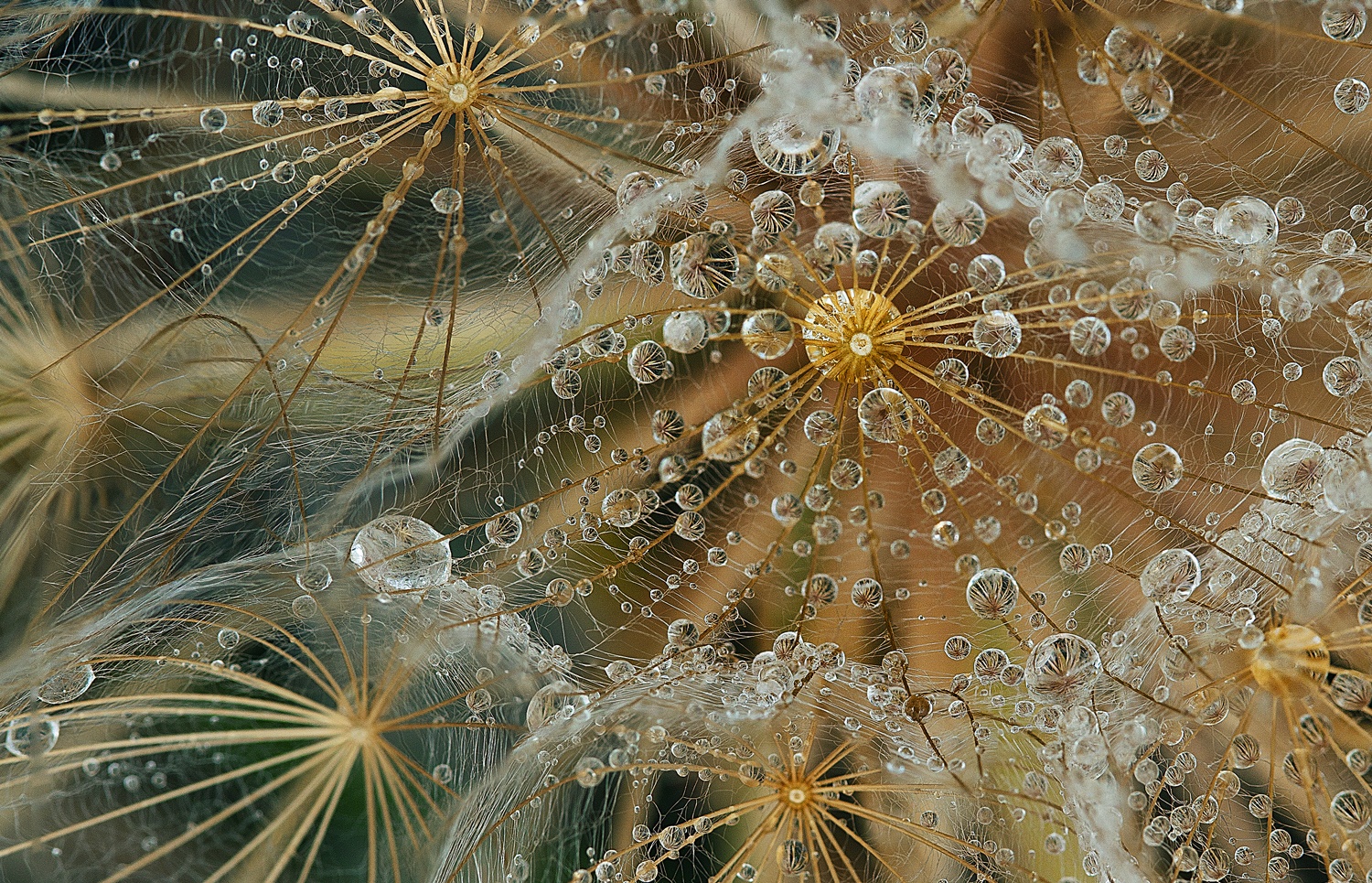
“Starless” by El Filósofo
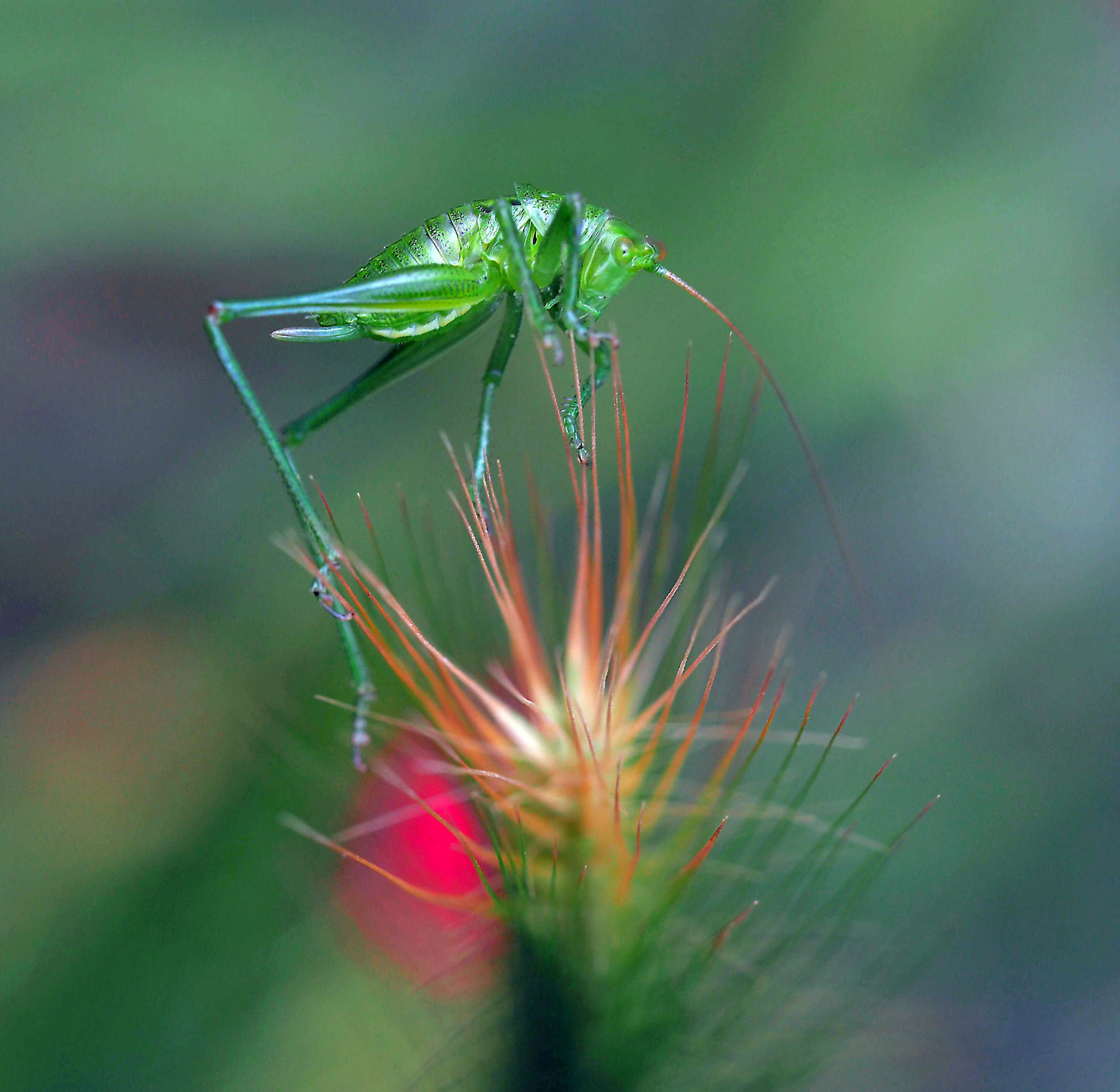
“The winner of the summit…” by Thierry Dufour
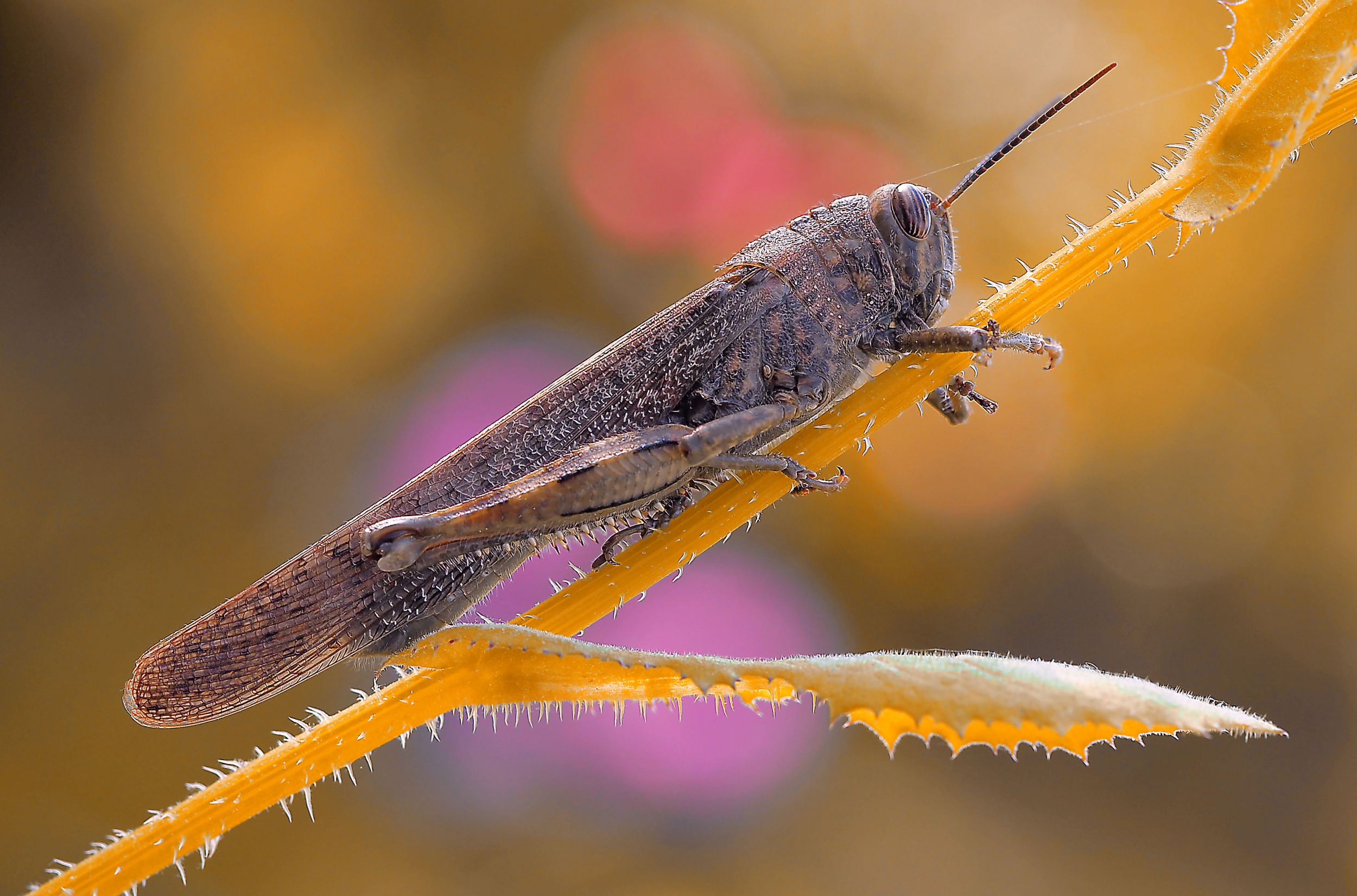
“Relax break” by Thierry Dufour
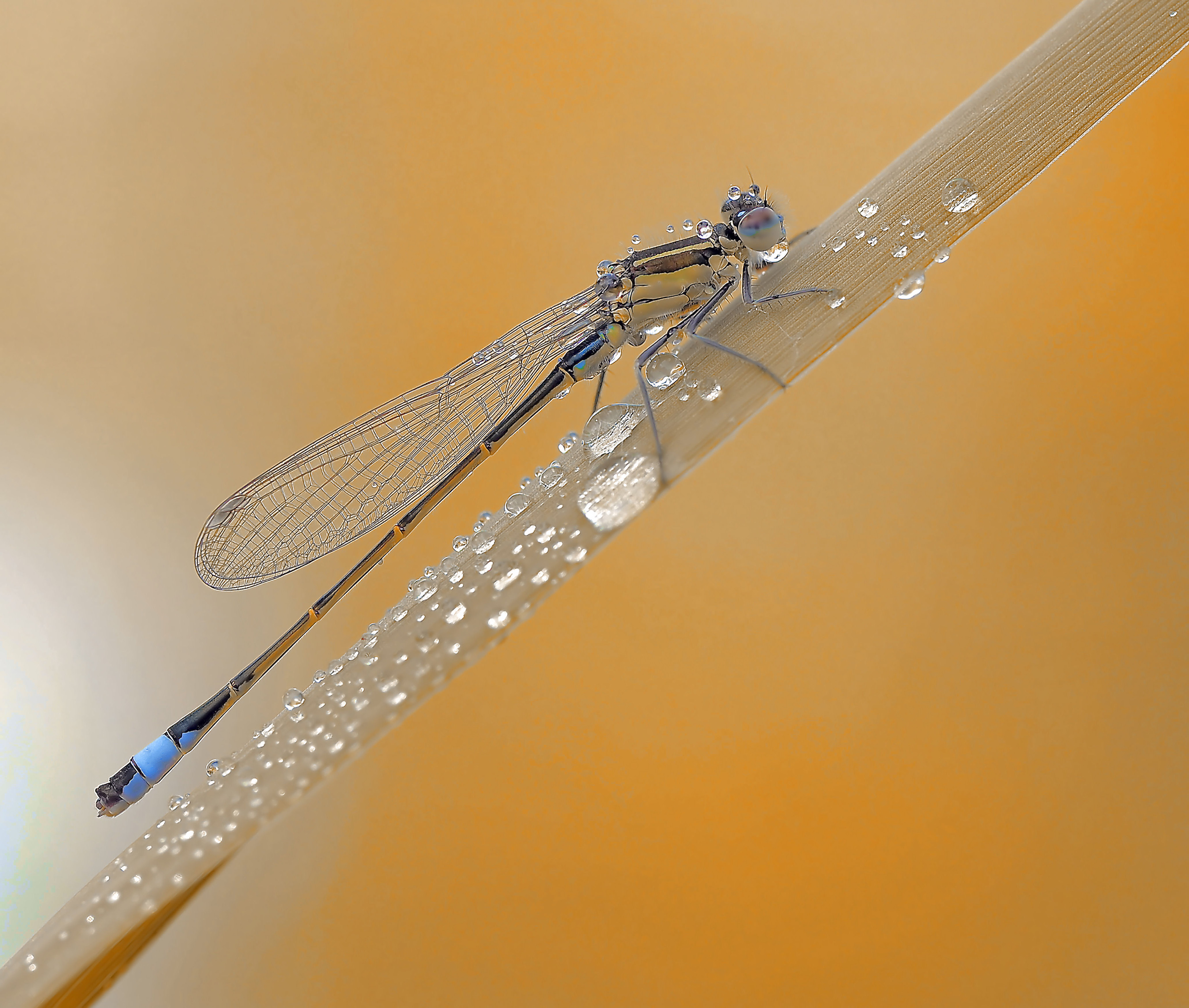
“Autumn rain” by Thierry Dufour
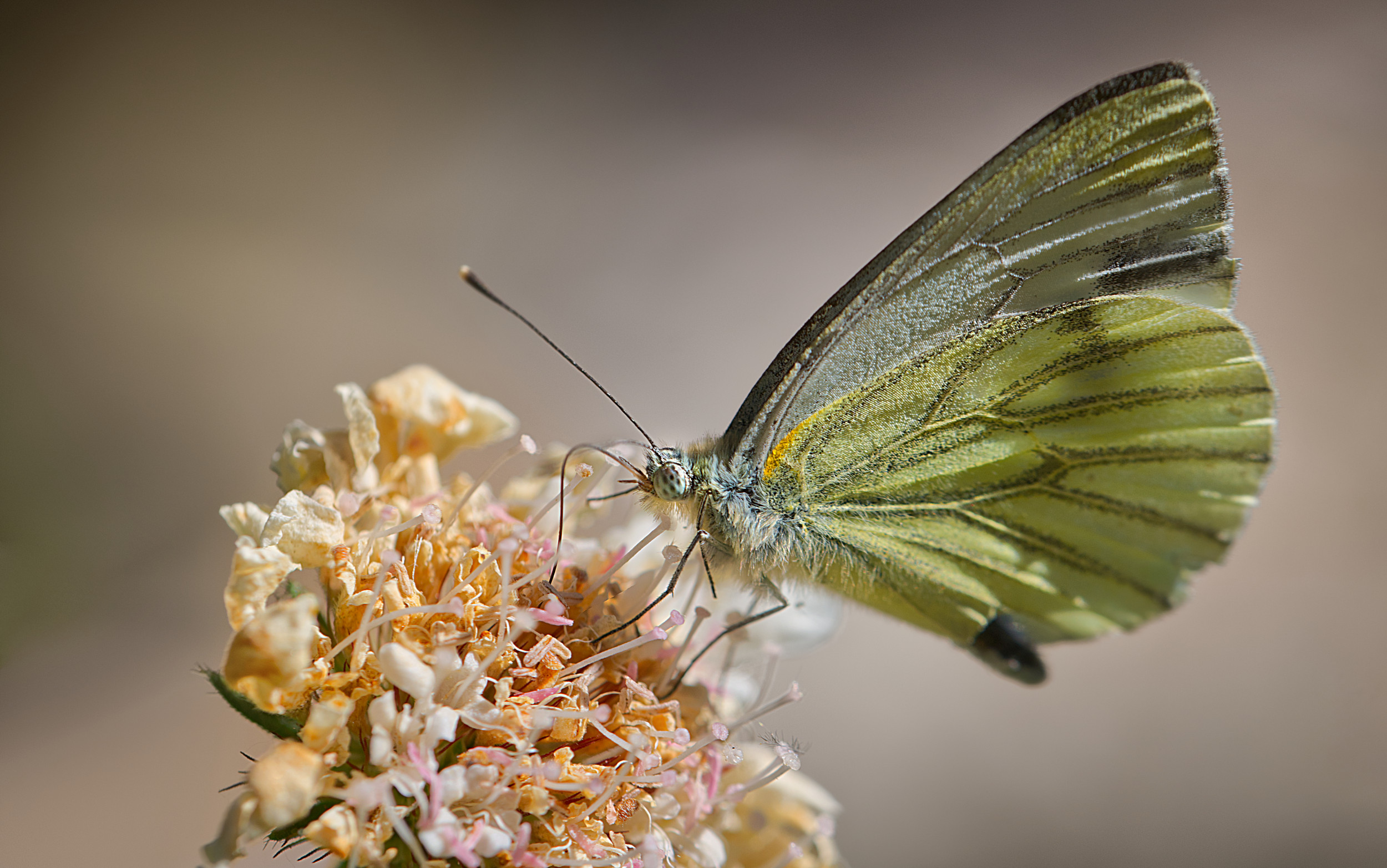
“Green Veined White” by Peter Davidson
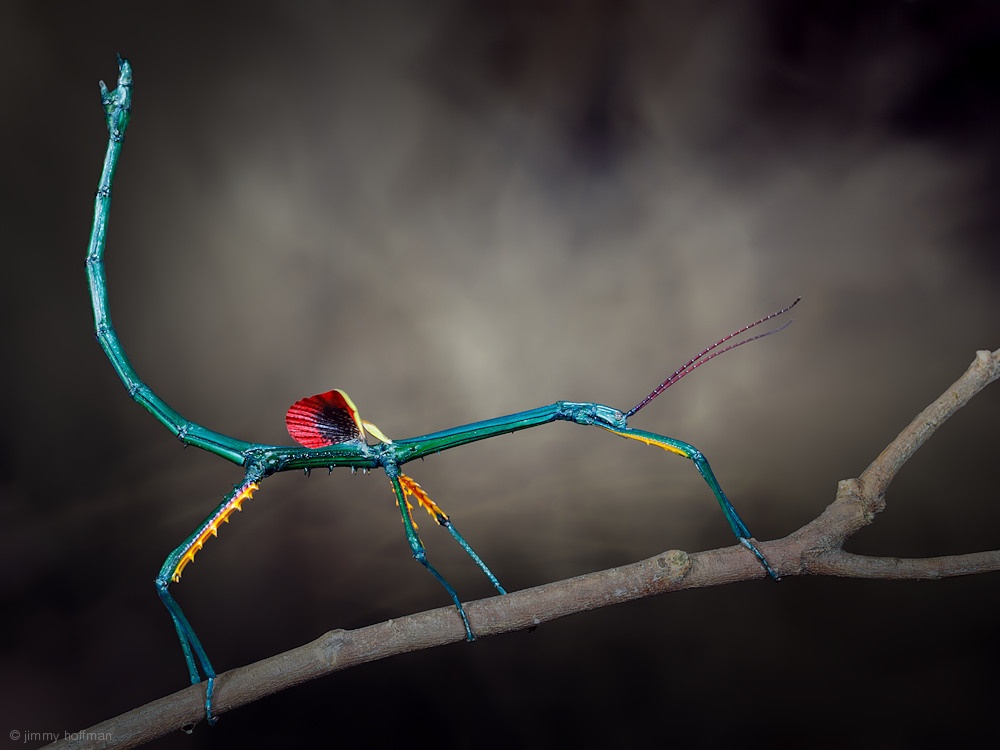
“Threat display” by Jimmy Hoffman
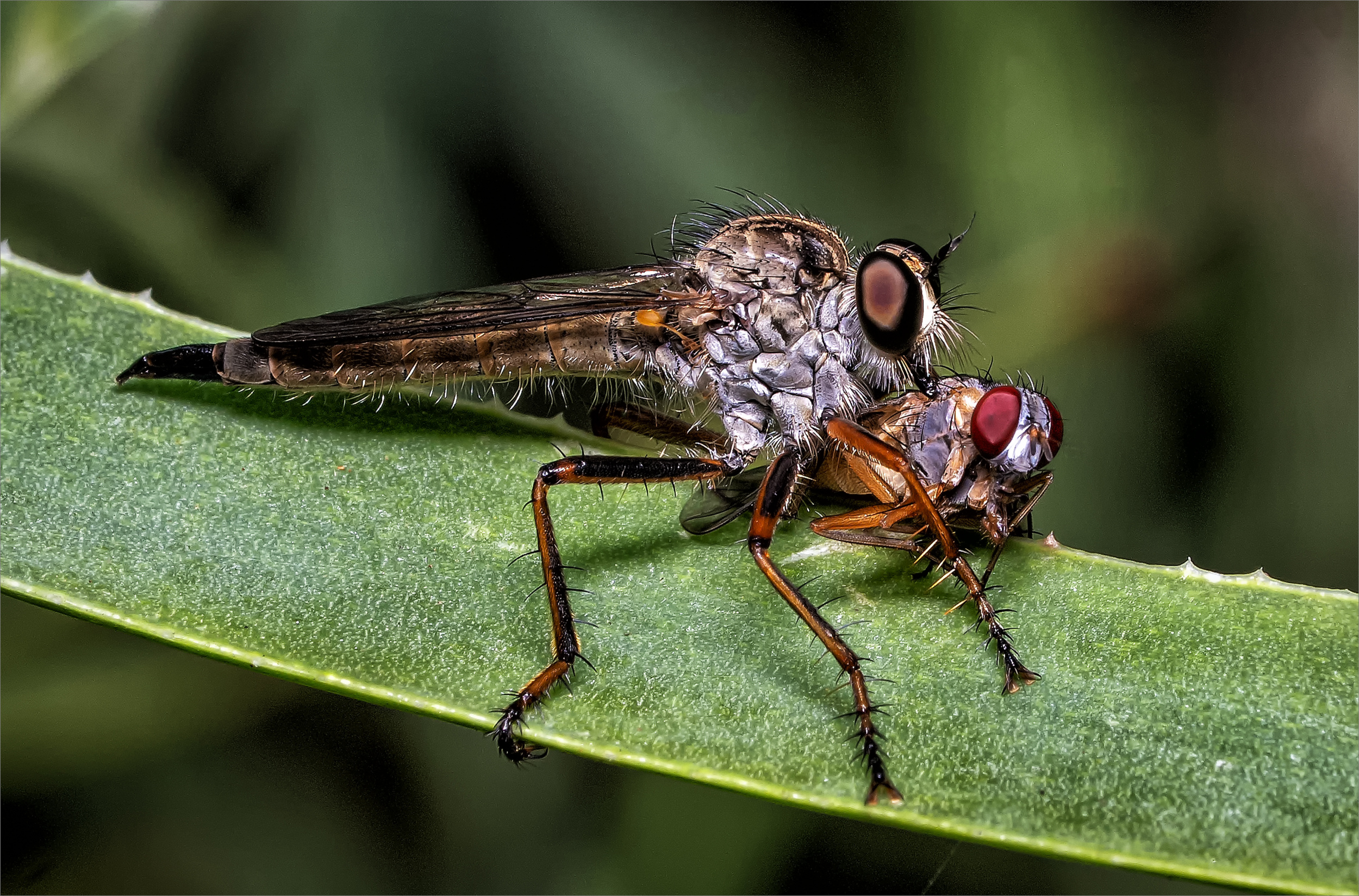
“Robber Fly” by Lourens Durand
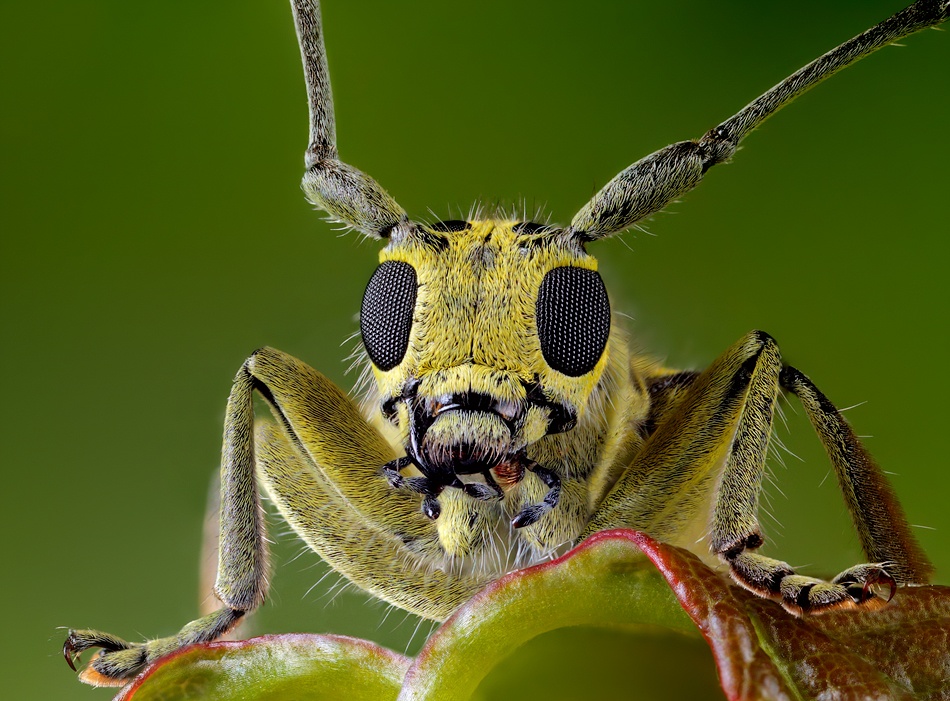
“Curious Yellow Car” by Alexander Zubrickij
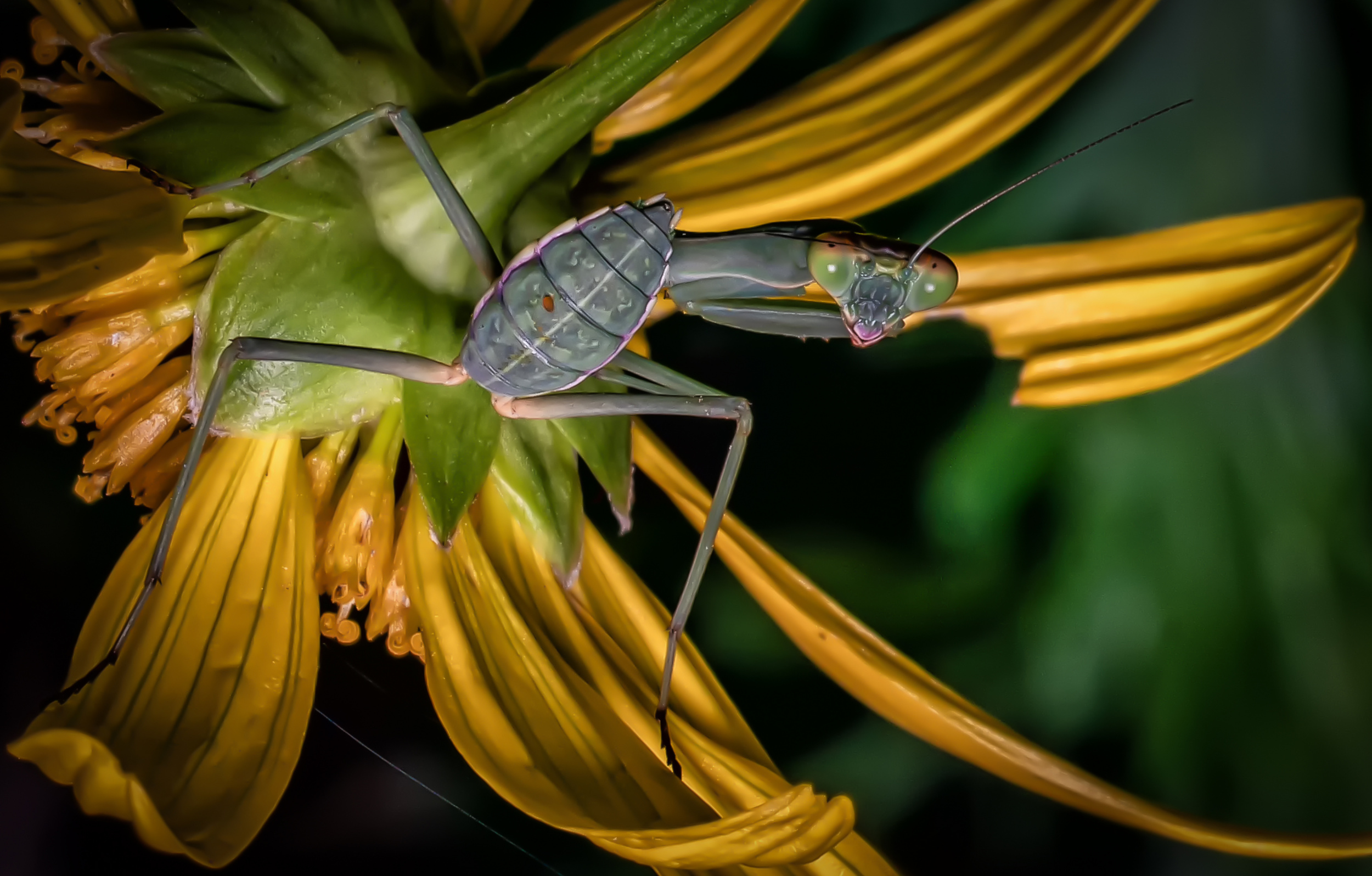
“Mantis” by Lourens Durand
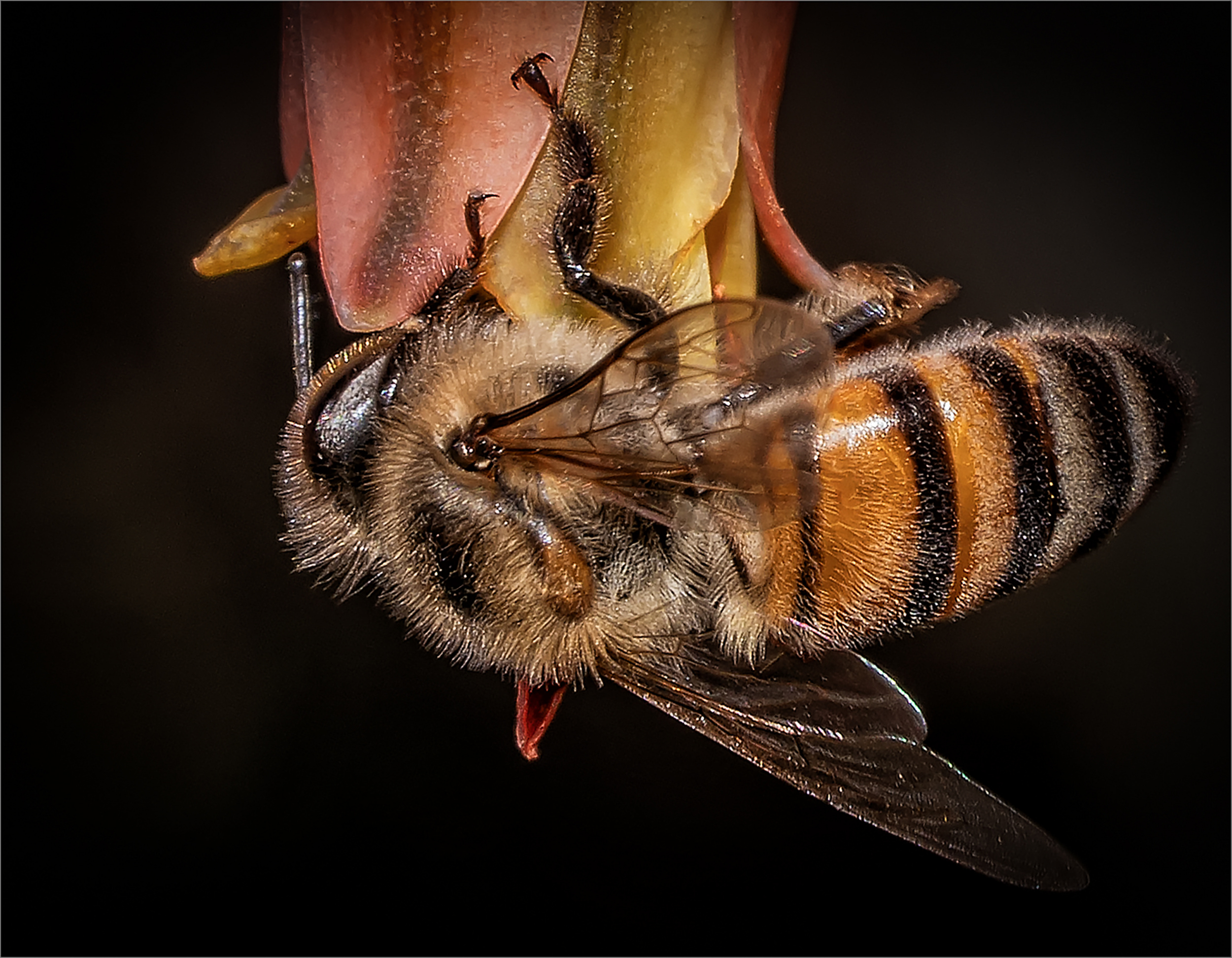
“Bee on Aloe HR” by Lourens Durand
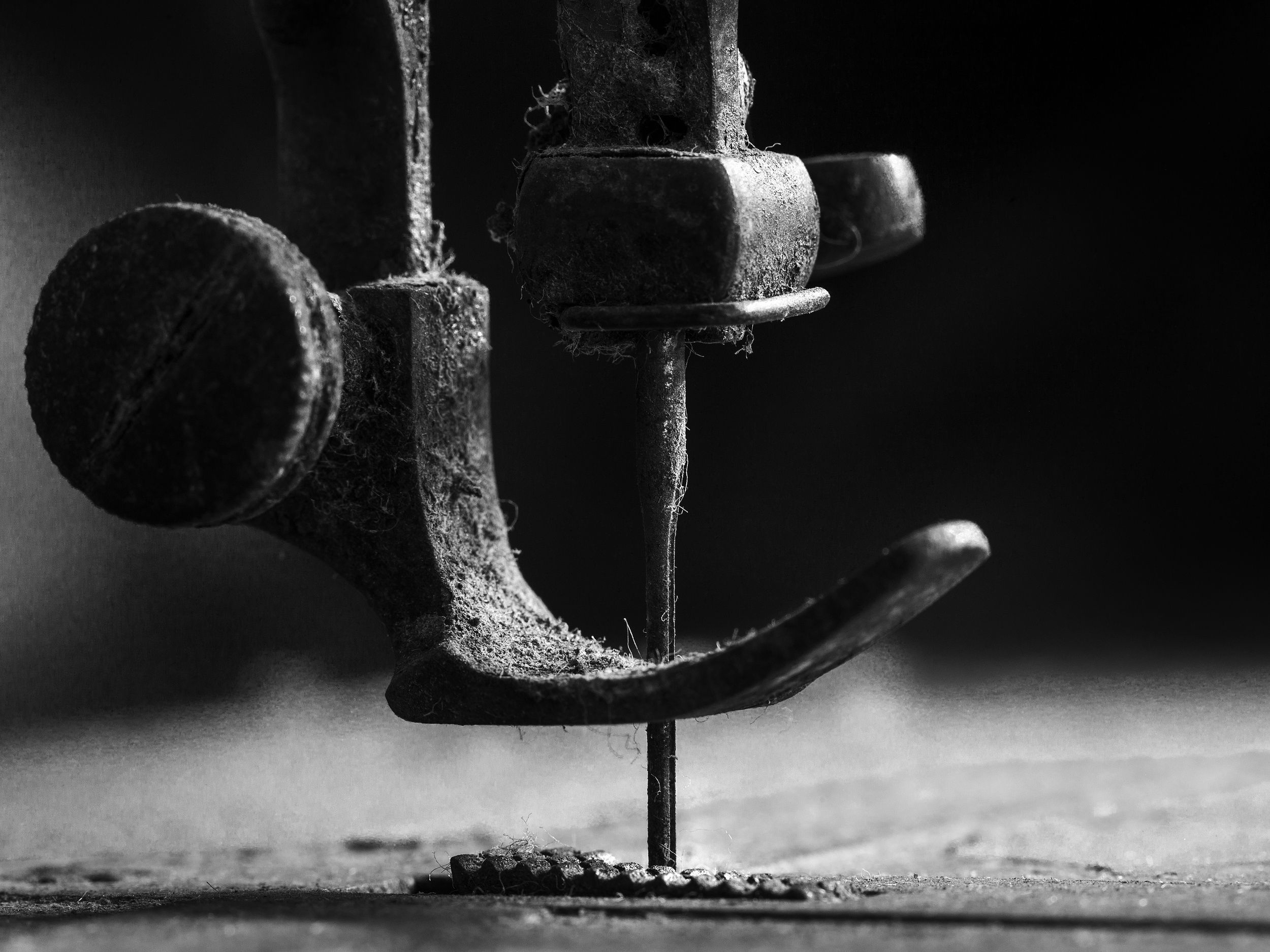
“…..Element on sewing machine…..” by Johanes Januar
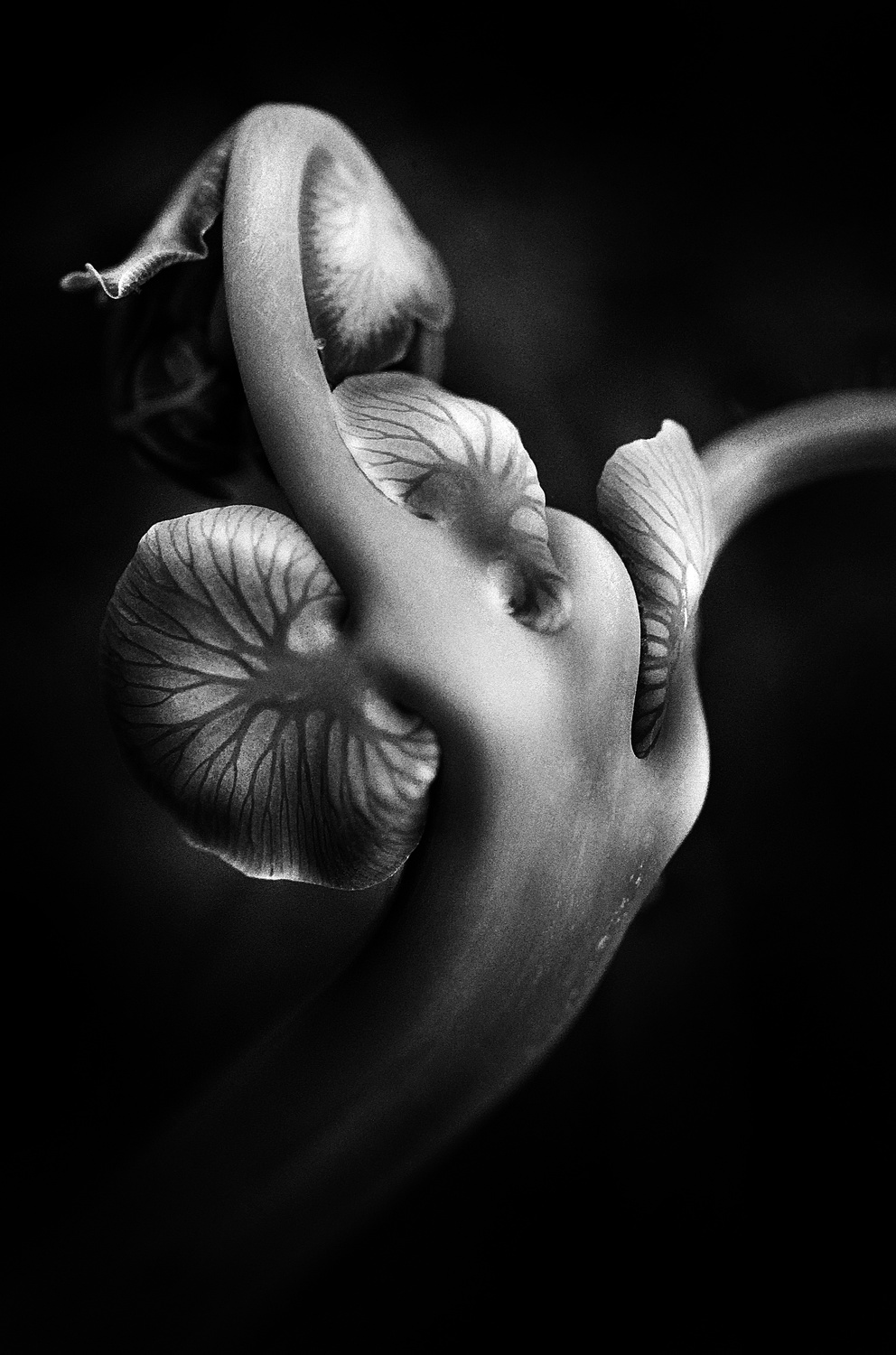
"ABw048” by Johanes Januar
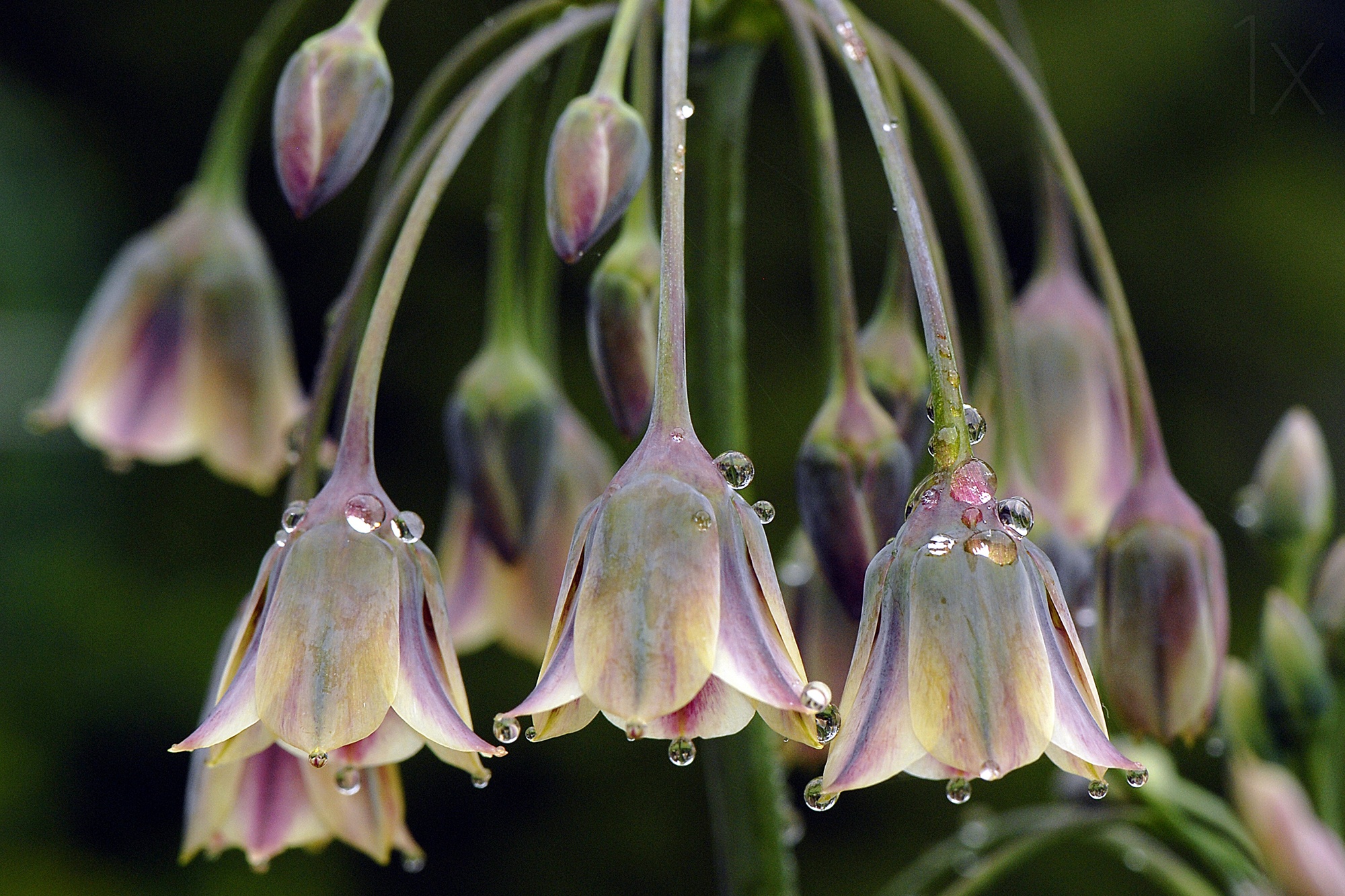
“Dew Bells” by Jacky Parker
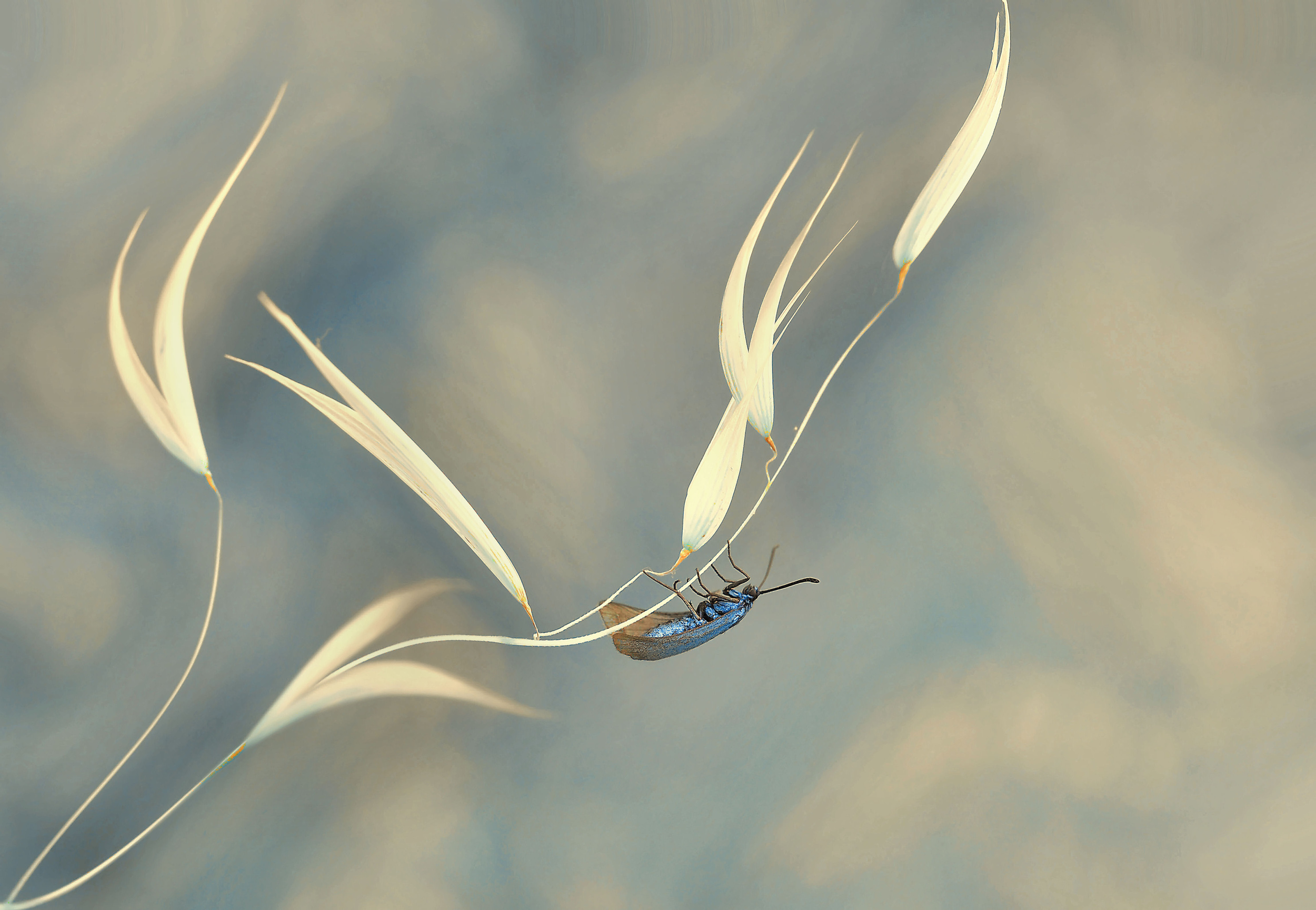
“Delicate Insect Balance” by Thierry Dufour
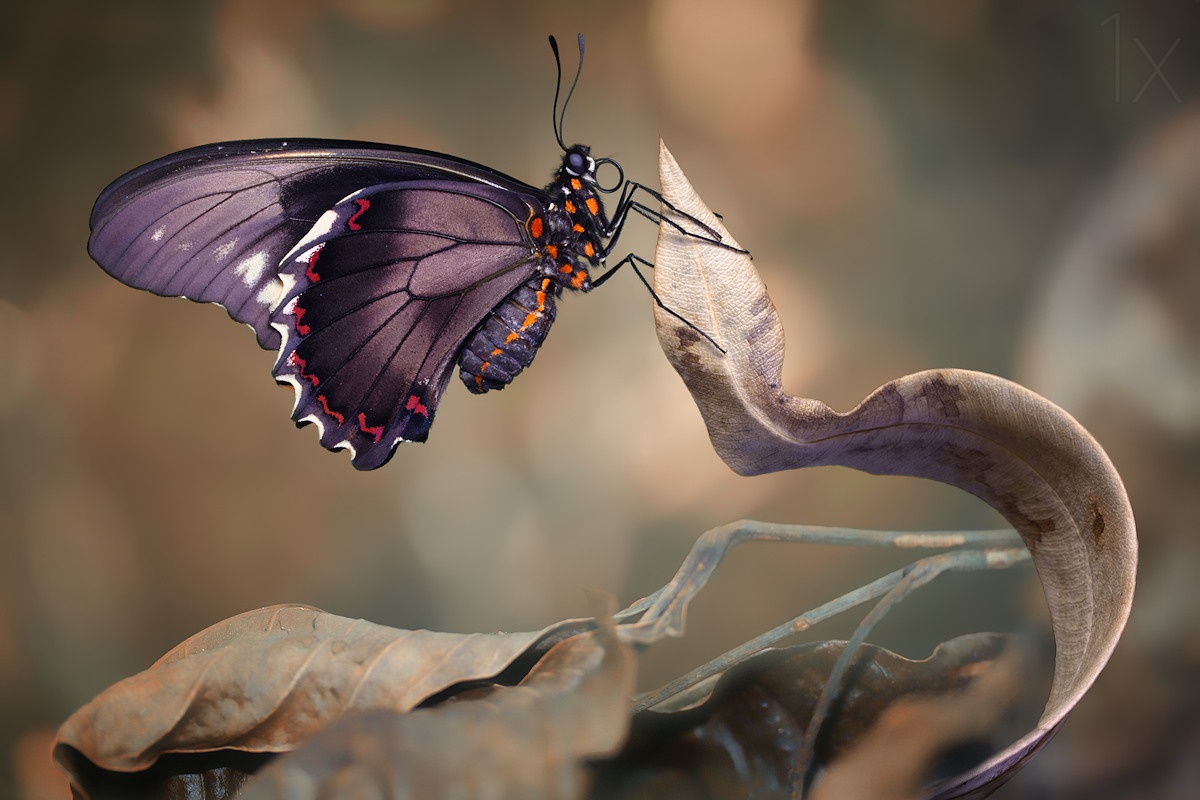
“Swallowtail” by Jimmy Hoffman
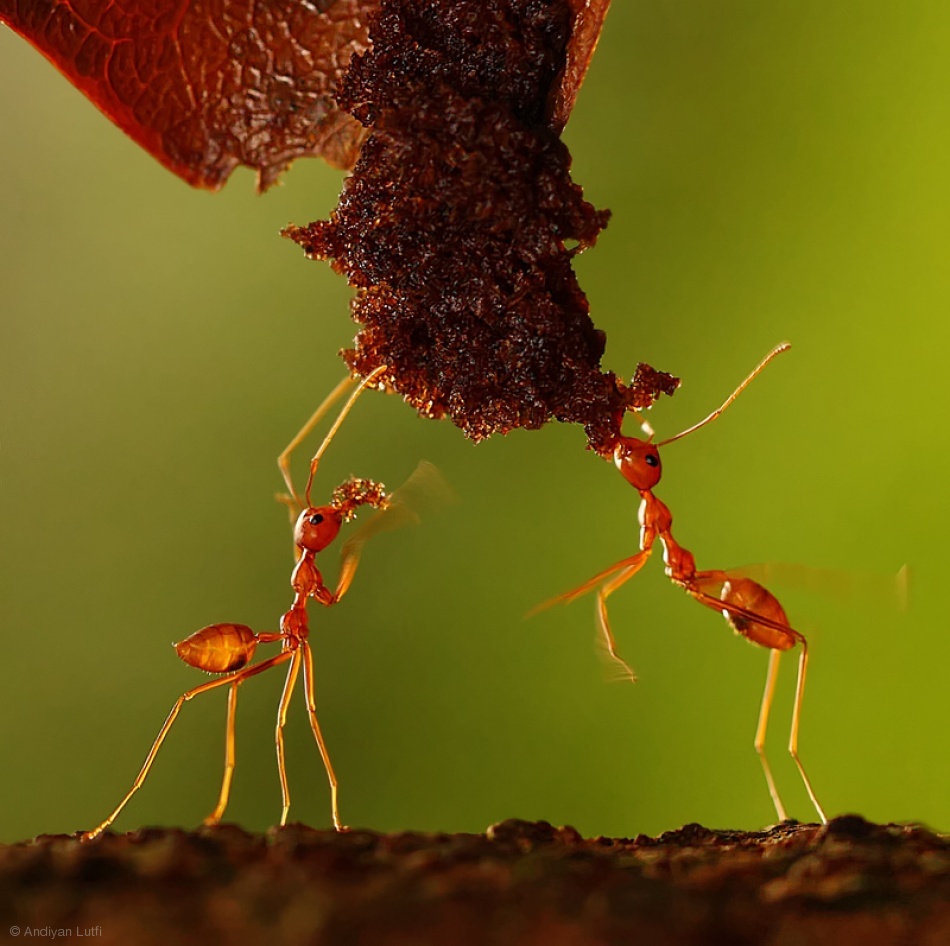
“Ration” by Andyan Lutfi
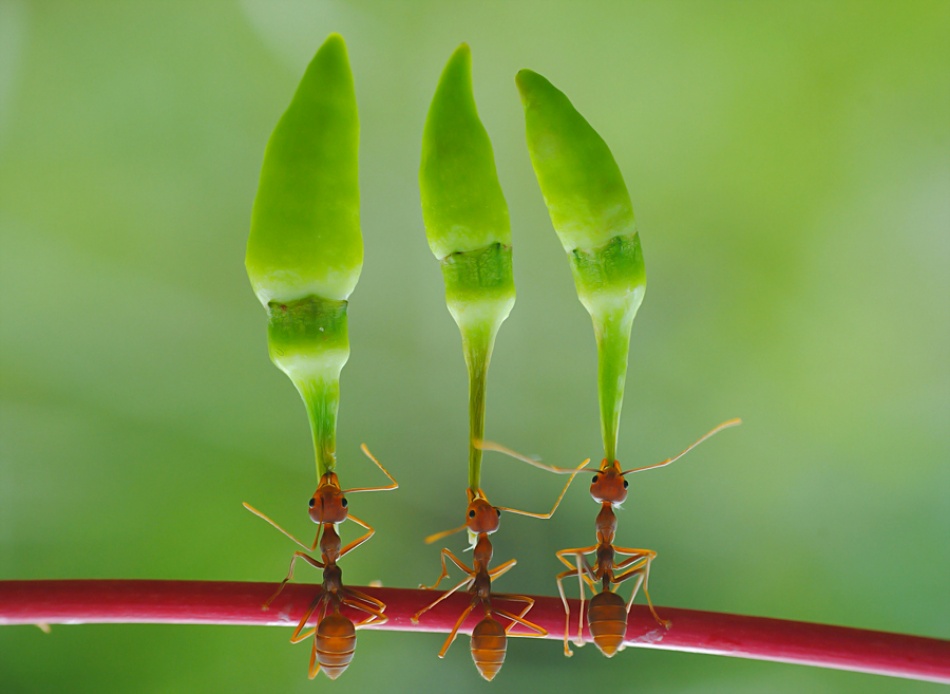
“chili cilider team” by Yahia Taufikurrahman
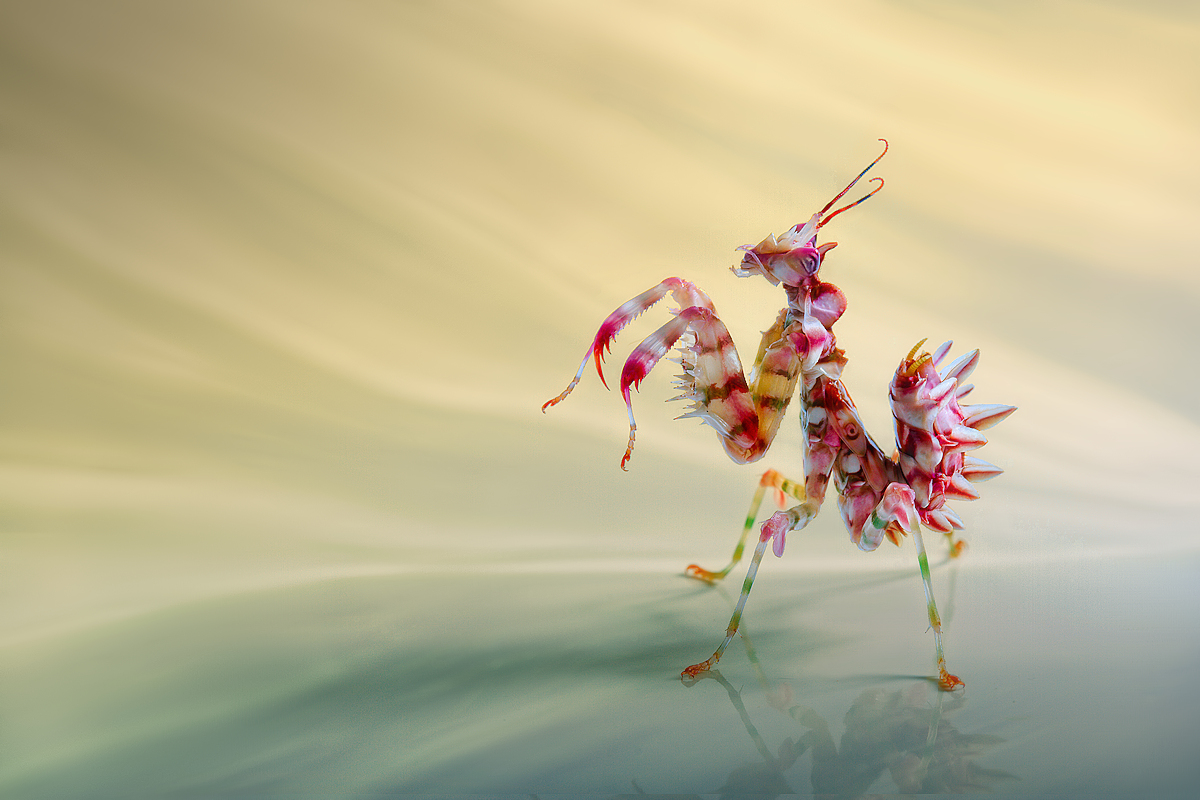
“Lost” by Jimmy Hoffman
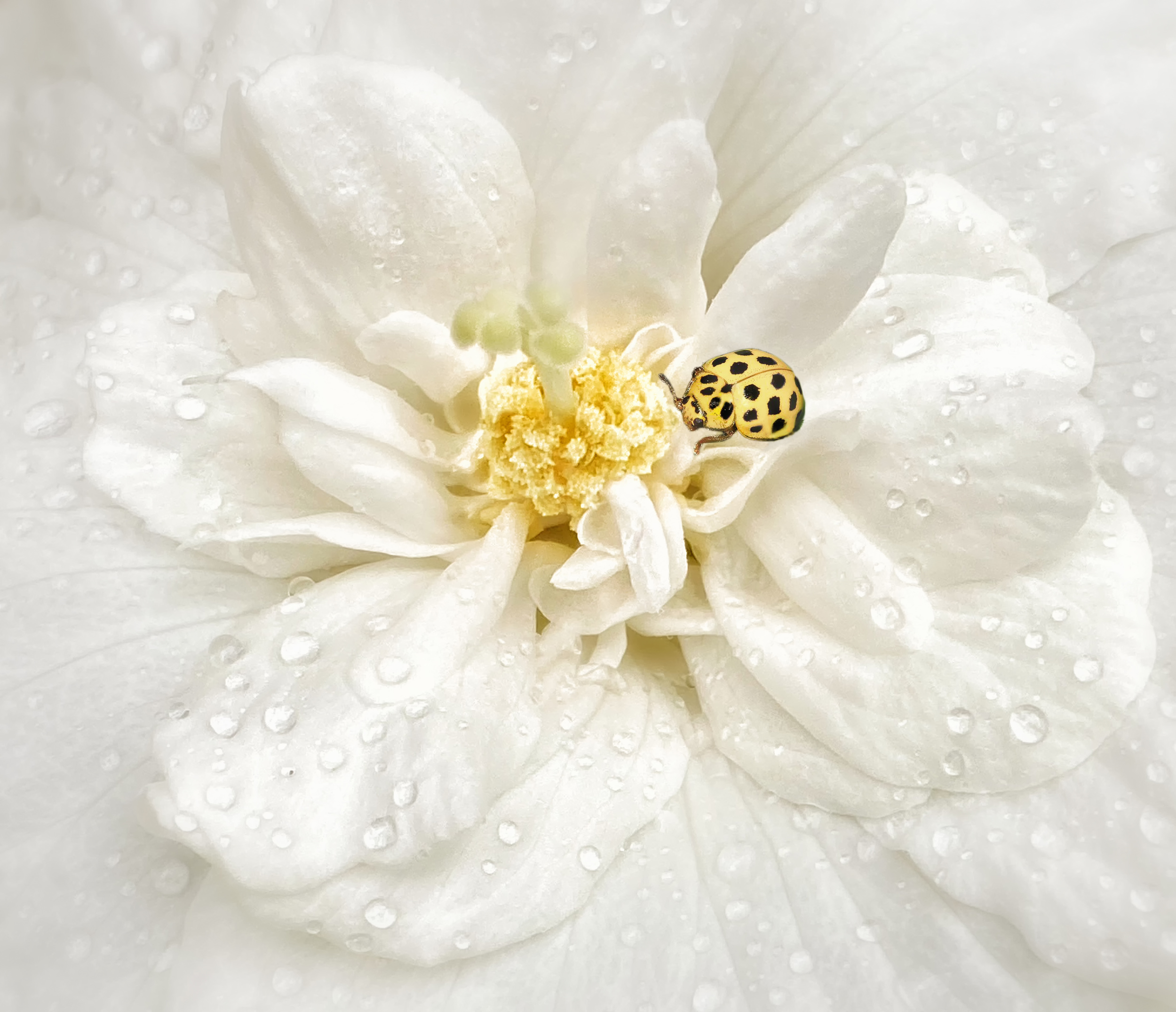
“Dewdrops are the GEMS of morning” by Yvette Depaepe
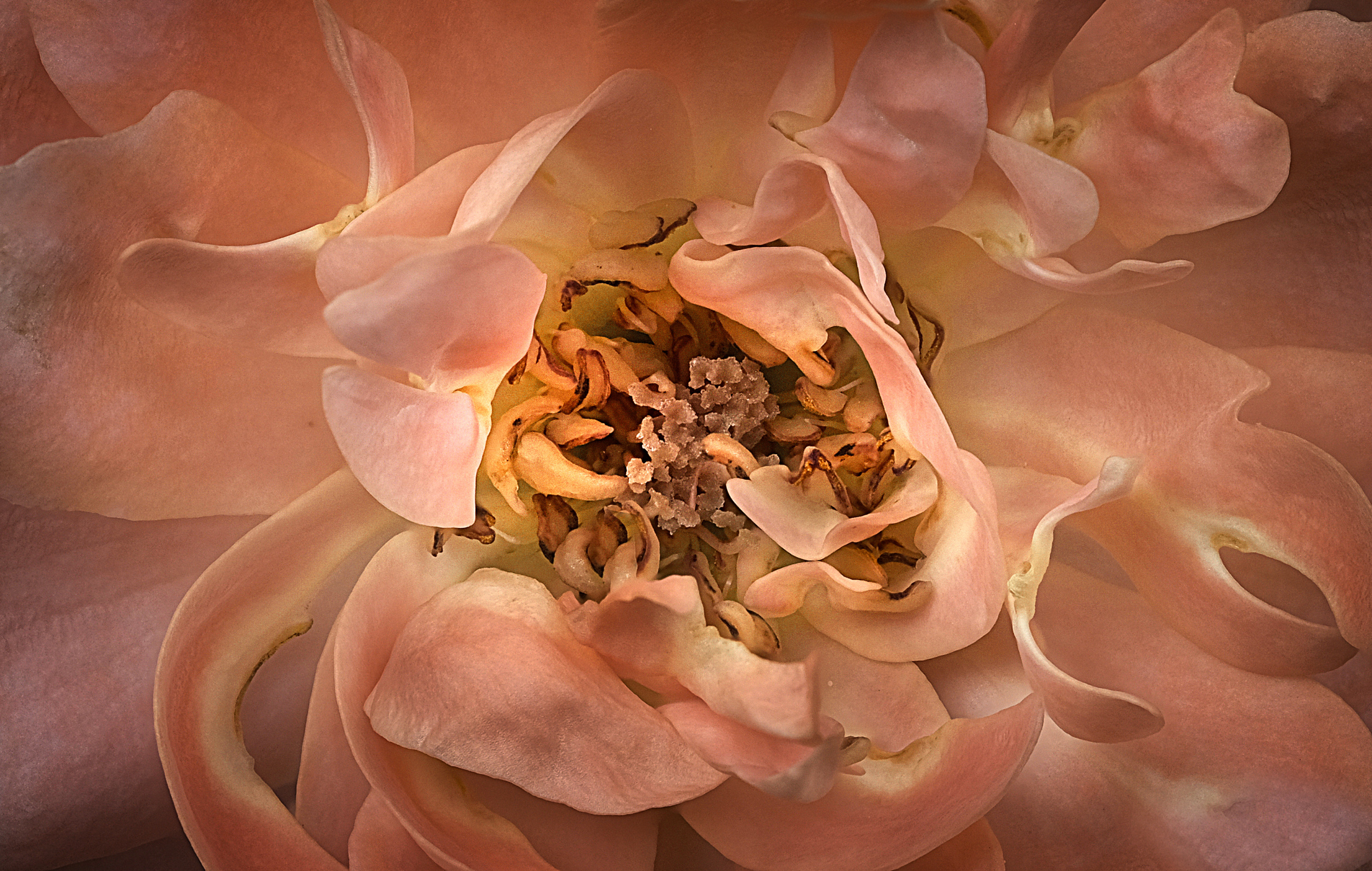
"Heart of a Rose" by Peter Davidson
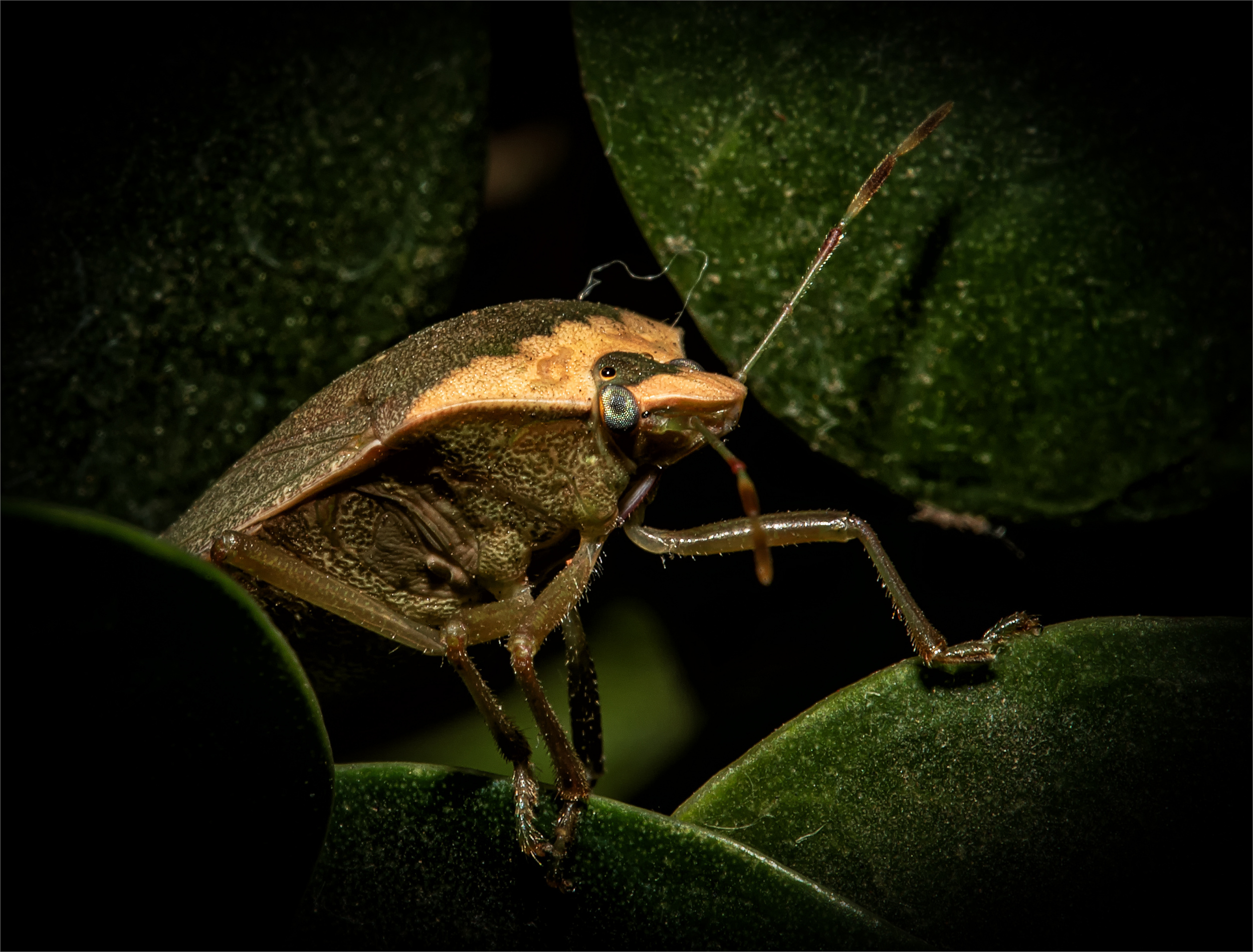
“Stinkbug HR” by Lourens Durand
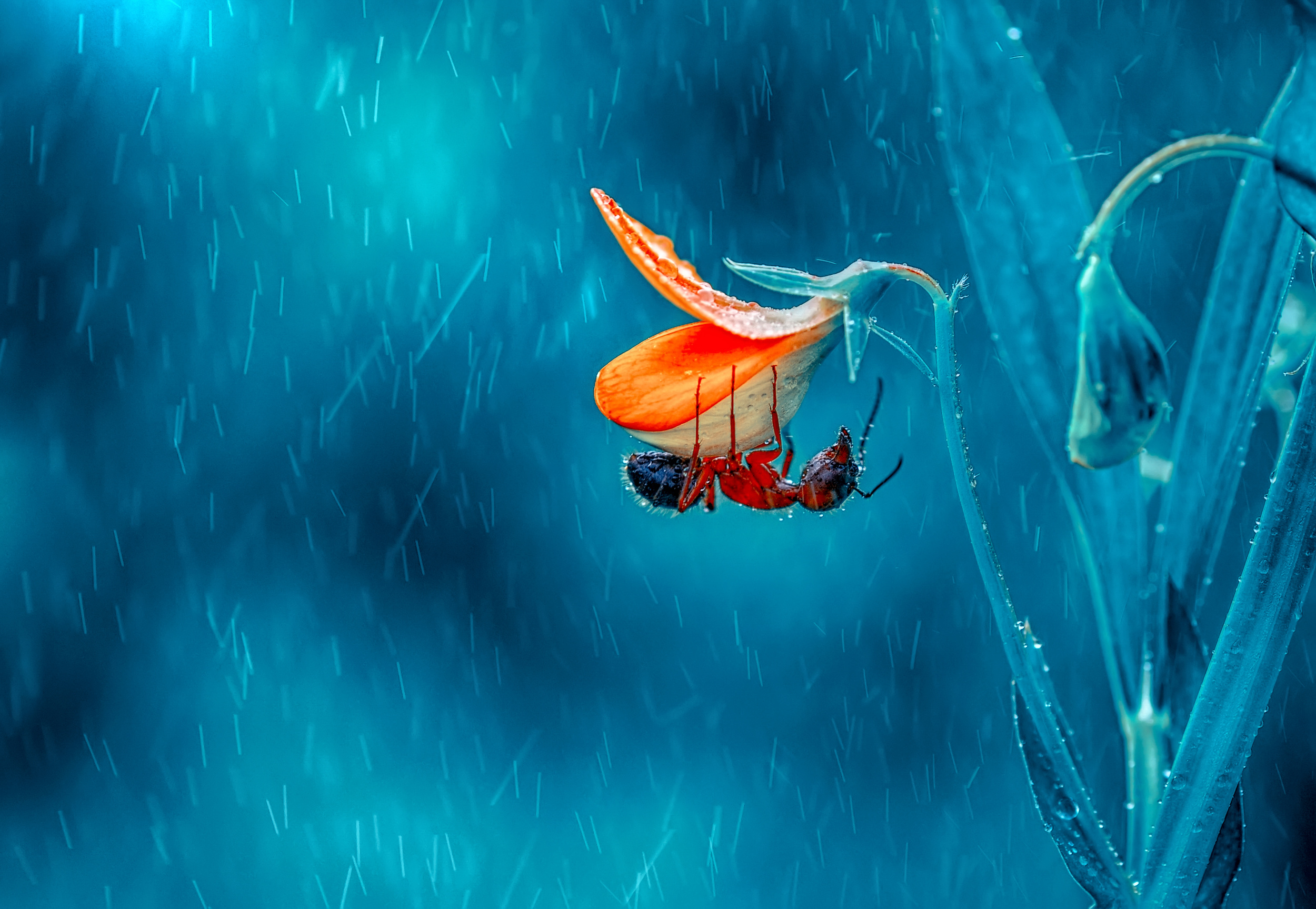
“Rain” by Mustafa öztürk
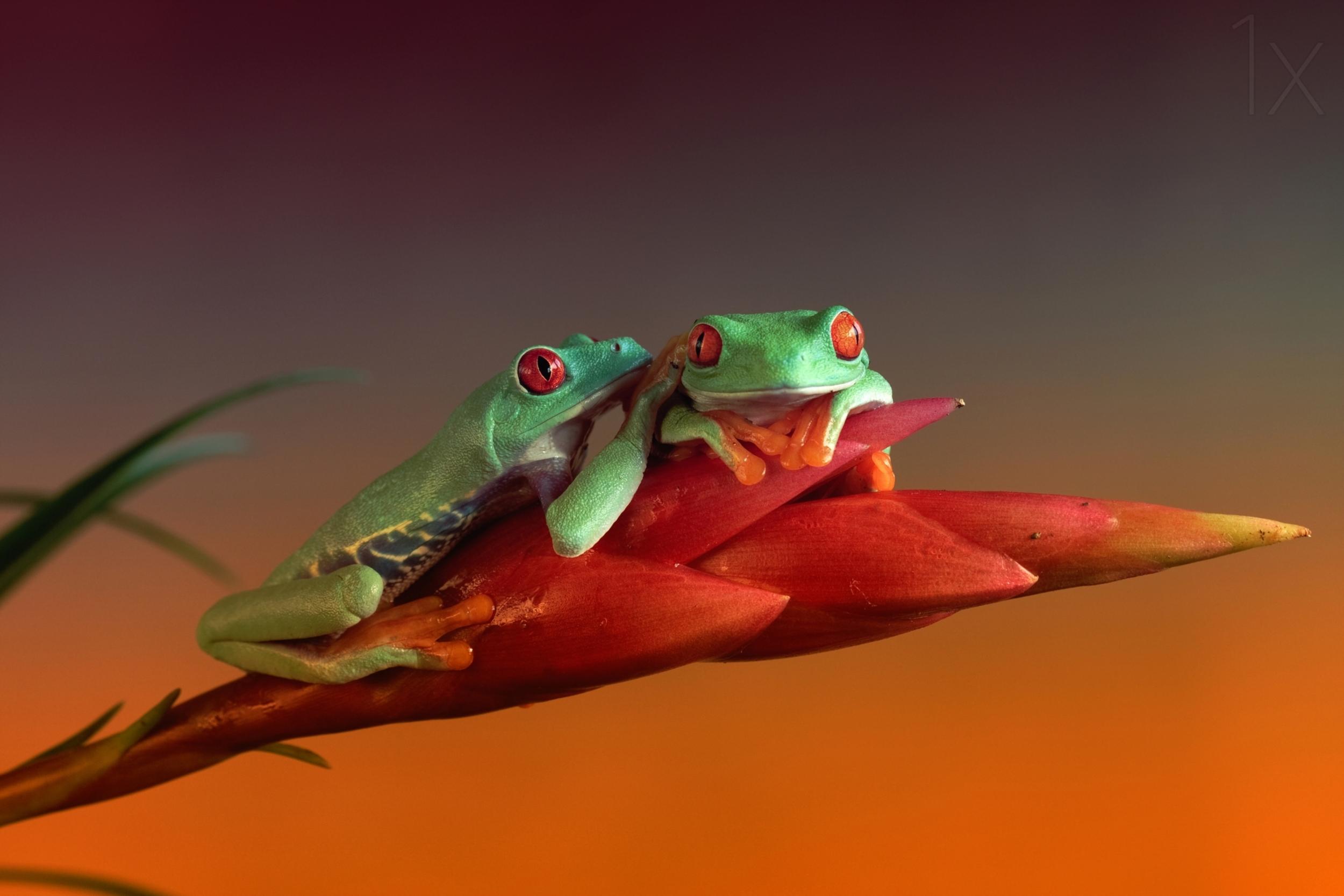
“Little Secret” by Wil Mijer
 | Write |
 | Dazhi Cen PRO A detail exploration and demonstration of the insect world! |
 | DonnaHom APA PRO I fully enjoy every image exhibited here. Thank you for putting the macro edition together. |
 | Jay Satriani PRO Everything looks absolutely stunning; I am so grateful to witness the lives of these tiny, beautiful creatures—works of art in themselves. Thank you, God, and thank you, Laurens—you are amazing. |
 | Greetje van Son PRO I viewed these magnificent images with great pleasure and awe. My compliments to every photographer in this splendid series. Thanks to Laurens for this beautiful collection and to Yvette for publishing. |
 | Benny Pettersson PRO Thank you for a great article that provides inspiration. |
 | Giampiero Maffulli PRO Great article |
 | Miro Susta CREW wonderful collection of beautiful macro pictures, thank you Laurens and Yvette for creating, editing and publishing it. |
 | Yvette Depaepe CREW Thanks a lot, Miro !!! |
 | Emel Sefer PRO Congratulations |
 | Carolina Garcia-Paris PRO Wonderful article, full of impressive and inspiring macro images... A real feast to the eyes. Congratulations to the featured photographers, and to Lourens and Yvette for creating this insightful magazine article. 👏👏 |
| Yvette Depaepe CREW Thanks for your appreciation, dear Carolina !!! |
 | Jimmy Hoffman PRO Very nice article. Thanks for choosing a couple of my shots!
have a great weekend. |
| Yvette Depaepe CREW Your work couldn't be missed here, Jimmy ;-) |
 | Sokol Priftaj PRO Really enjoyed reading this article. Thanks for sharing |
| | Sokol Priftaj PRO Really anjoyed reading this article. Thanks for sharing |
 | Peter Davidson CREW Excellent piece and thank you for choosing a couple of my shots! |
| Yvette Depaepe CREW Our pleasure, Peter! |
 | Hasan Baglar many thanks to editors, great collection !!! |
 | Thierry Dufour PRO Thank very much dear Yvette and Lourens for selecting my images. A magnificent series of macro shots. |
| Yvette Depaepe CREW Thanks for your appreciation, Thierry ... well deserved selection! |
 | Hai Lin 雪原 PRO Great collection of macro works, thanks very much to editors!! |
 | Robert Žumer PRO Excellent article. |
 | Patrick Compagnucci PRO Great article, thanks for the info and wonderful images! |
| Yvette Depaepe CREW Thanks for your appreciation, Patrick ... |
 | Atul Saluja PRO Wonderful article and very well summarized dear Lourens. An excellent series of images shared from 1X. Thank you for highlighting a couple of my images. Many thanks to Yvette as well for facilitating. |
| Yvette Depaepe CREW Thank you dear Atul ;-) |